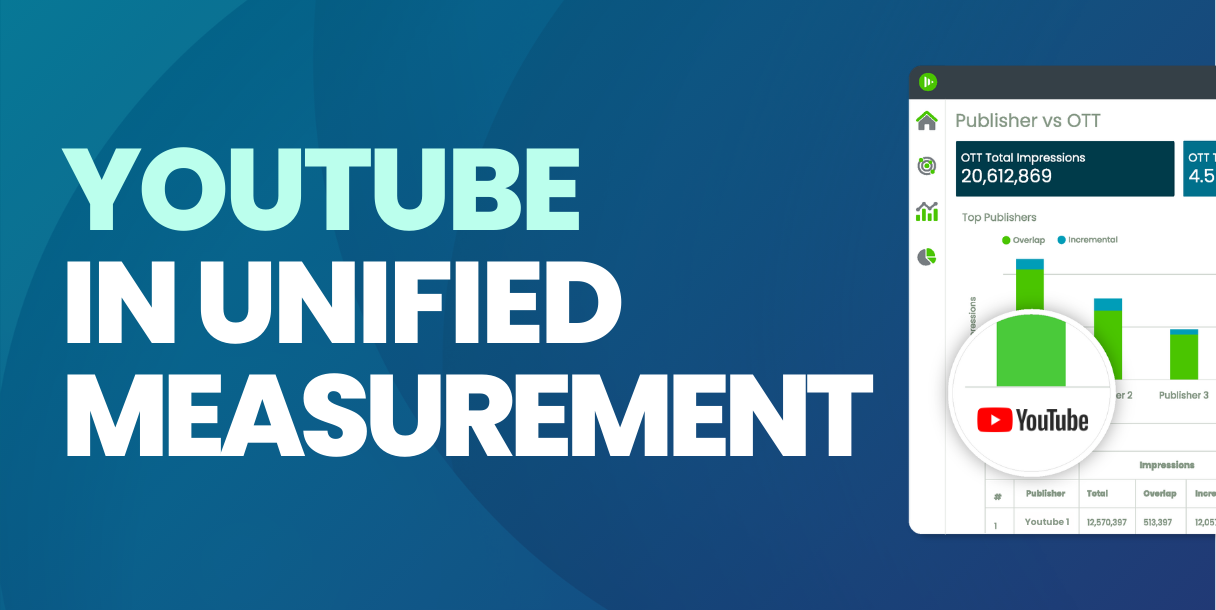
For years, advertisers measured and optimized YouTube performance on a separate playing field from the rest of their video ad spend—a standalone report that never quite connected to the broader audience picture.
But for the typical TV viewer, that separation doesn’t exist. When they sit down to watch something, YouTube often carries the same weight for consideration as any other network or streaming platform.
According to YouTube, viewers now watch over one billion hours of YouTube content on television screens every day, globally. Industry reporting has increasingly pointed to YouTube as the largest streaming platform on TV screens, reflecting a fundamental shift in where audiences are spending their time.
At that scale, YouTube’s viewing footprint rivals—or in some cases exceeds—that of major media conglomerates.
For advertisers, this isn’t just a trend; it exposes a massive transparency gap in measuring video ad performance.
Measuring YouTube in a Silo Leaves Ad Spend on the Table
Despite YouTube’s dominance on the biggest screen in the home, its performance has often lived in measurement silos. Most solutions have kept it in a separate reporting environment, forcing marketers to stitch together data across platforms. Getting to actionable insights that drive decisions—like deduplicating YouTube reach against linear and other publishers—is often out of the question.
Those blind spots matter because YouTube now represents roughly 19% of total U.S. video ad spend.*
Without full visibility, marketers have been forced to optimize media plans haphazardly—risking oversaturated audiences, inefficient spend, and missed incremental reach.
*2025 iSpot Analysis of U.S. Ad Spend
Closing the YouTube Visibility Gap
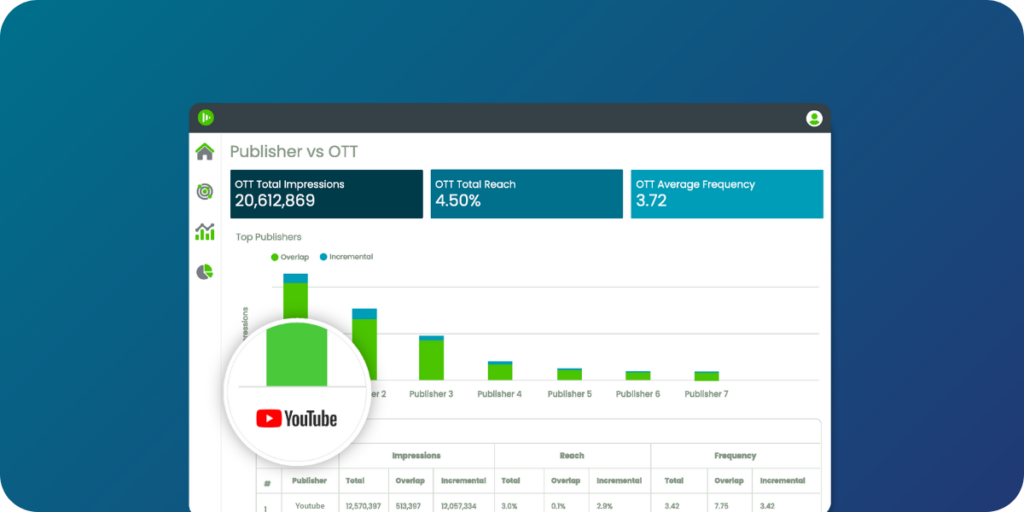
Fully integrating YouTube reach and frequency measurement within the iSpot Unified Measurement dashboard expands coverage significantly. For many brands, integrating YouTube increases media plan visibility by roughly 35% according to iSpot data , bringing total video ad spend coverage to approximately 75%.
That kind of visibility changes how marketers plan, measure, and optimize campaigns.
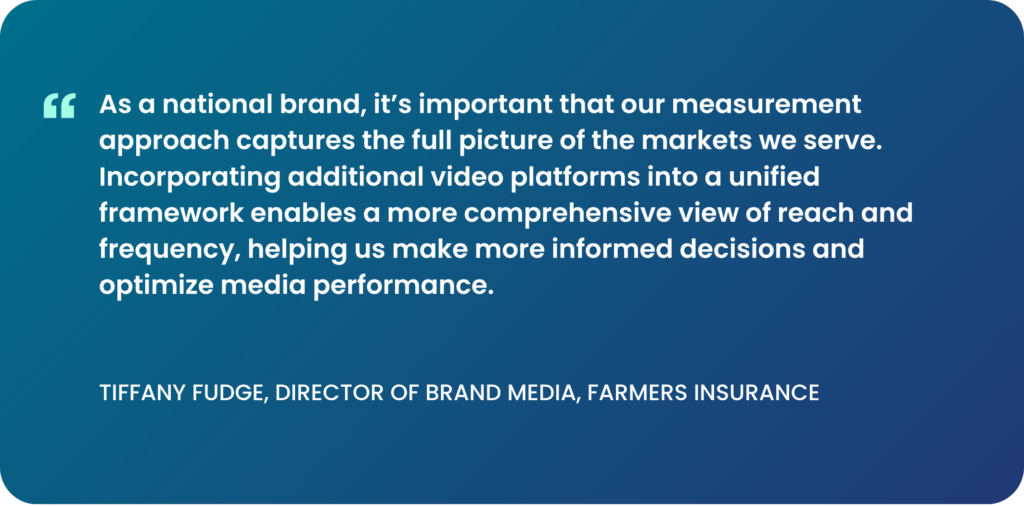
Treating the platform as an outlier isn’t an option. Instead, advertisers can evaluate YouTube alongside the rest of their media mix—understanding deduplicated reach and frequency each platform contributes.
Faster Answers. More Flexible Views.
Having YouTube in the picture is only part of the story. How quickly you can act on that picture is where the real advantage lies.
Unlike traditional reporting cycles that lag by days or weeks, iSpot delivers speed. Insights are available on demand, with the flexibility to analyze specific days, weeks, or campaign windows. Teams can pull data for any custom date range and act on it while ads are still running—not after the budget is already spent.
And the flexibility doesn’t stop at timing. Unification doesn’t mean every advertiser is forced into a “one size fits all” view. You can create custom publisher groupings within the Unified Measurement platform so your view matches how you invest across DSPs, streaming or social publishers, etc. Want to compare YouTube against Hulu, Netflix, Amazon and Peacock individually? Build that view directly in the platform. No spreadsheet stitching. No waiting on a custom report. Just flexible comparisons that are actually relevant to your media plan.

In many campaigns, YouTube can deliver reach at a scale comparable to linear TV and streaming combined. But each platform contributes incremental audiences in different ways. Linear TV may reach older viewers who aren’t active on YouTube, while digital platforms can extend campaigns into younger and more mobile-first audiences.
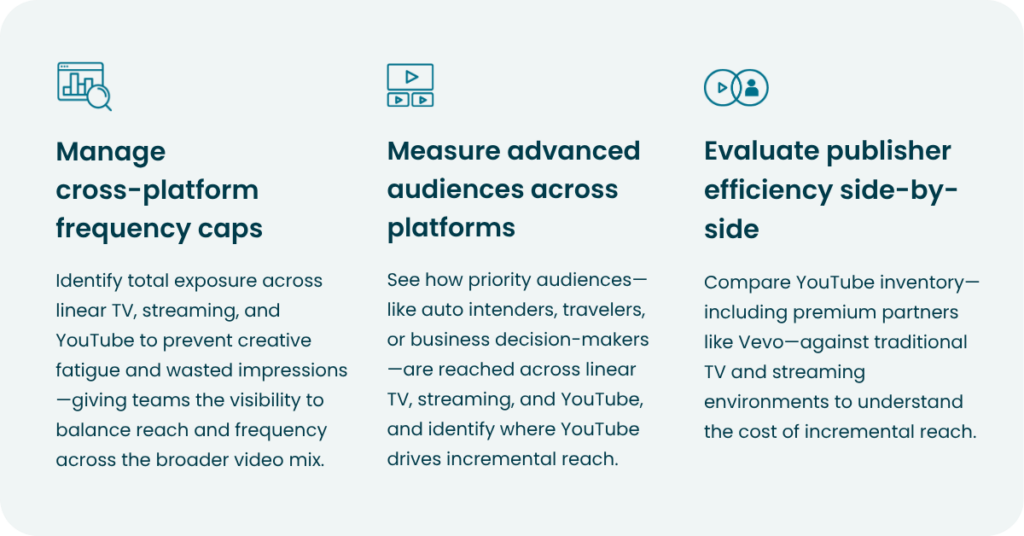
3 Ways to Put It to Work
Once YouTube is in your Unified Measurement view, the practical use cases are immediate. Here’s how brands are already using it:
The New Reality
YouTube isn’t an edge case in the video ecosystem anymore. It’s a central part of it. And when nearly one-fifth of video ad spend sits on a single platform, treating it as a measurement outlier simply doesn’t work.
iSpot Unified Measurement closes that gap—giving advertisers the visibility they need to understand how campaigns truly perform across the modern video landscape.
Ready to bring YouTube into focus alongside the rest of your media mix? Let’s talk.